Understanding the Buyer Demographics of Full-Size Trucks
Profiles of Full-Size Truck Owners
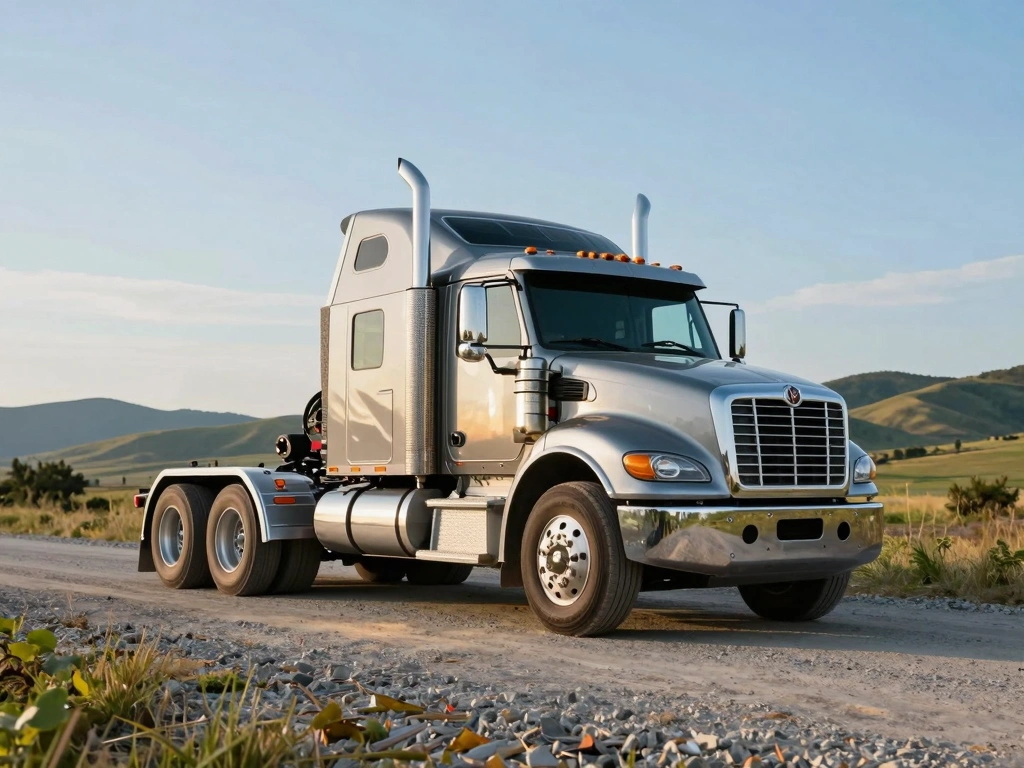
Full-size trucks have become increasingly popular in recent years, appealing to a wide array of consumers. The demographics of full-size truck buyers range from blue-collar workers who rely on their vehicles for work to suburban families seeking a versatile transport solution. According to the U.S. Department of Transportation, the average full-size truck owner is often between the ages of 30 and 55, with a household income of $75,000 or more. Many buyers are in professions such as construction, landscaping, or other trades that traditionally benefit from a truck's utility.
Buying Motivations Beyond Towing
While towing capacity is a significant feature of full-size trucks, many buyers are motivated by factors that extend beyond this capability. Comfort, space, and advanced technology play crucial roles in the purchasing decision. Features such as heated seats, infotainment systems, and spacious interiors often take precedence over towing capacity. According to a study by J.D. Power, nearly 60% of truck buyers prioritize comfort and technology over outright performance metrics like towing capability.
Regional Variations in Truck Usage
Truck usage can vary significantly based on geographic location. In rural areas, buyers are more likely to utilize their trucks for farming, hauling, or recreational purposes, which might include towing trailers or boats. Conversely, in urban environments, trucks are often used for commuting and errands rather than towing. For instance, a truck buyer in Texas may be more inclined to tow a horse trailer, while a buyer in New York City may rarely see the need to utilize their truck’s towing capacity, opting instead for its larger passenger space and utility in city driving.
The Impact of Lifestyle on Towing Frequency
Daily Commuting vs. Weekend Adventures
The average American spends about 26.1 minutes commuting each way according to the U.S. Census Bureau. For many full-size truck owners, their vehicle serves as a daily commuter rather than a utility vehicle. This shift in usage often leads to full-size truck owners using their towing capacity infrequently, if at all. Weekend adventures, while providing opportunities for towing, are often limited to seasonal use, such as camping or boating during the summer, resulting in the truck's towing capability being underused.
Urban vs. Rural Living: A Towing Perspective
Urban dwellers face unique challenges that discourage towing. Limited parking space, heavy traffic, and stringent city regulations make towing cumbersome and impractical. A truck owner in an urban area may prefer to use public transportation for weekends away or may opt for rental services when a trailer is needed. In contrast, rural residents often have open spaces to use their trucks more effectively, frequently towing trailers or equipment for work or recreation.
Recreational Activities That Don’t Require Towing
Many recreational activities enjoyed by full-size truck owners do not necessitate towing. For instance, off-roading, which is popular among truck enthusiasts, can often be accomplished without the need for trailers. Additionally, many owners may engage in activities such as biking or hiking, where the equipment can easily fit inside the truck bed. The versatility of full-size trucks allows for a myriad of activities that do not require the towing capabilities they possess, further contributing to infrequent towing usage.
Perceptions of Capability vs. Actual Use
Marketing Influence on Buyers' Expectations
Marketing plays a significant role in shaping consumer perceptions of full-size trucks. Advertisements often highlight towing capabilities, ruggedness, and off-road performance, creating an expectation that buyers will utilize these features regularly. However, reality often diverges from these marketing narratives. Buyers may find themselves drawn to the image of rugged outdoor adventures and heavy-duty work, even if their actual usage is limited to commuting and occasional trips.
Psychological Factors: Feeling Secure with Extra Capacity
Many truck owners report a psychological benefit to owning a vehicle with high towing capacity, even if they rarely utilize it. This phenomenon can be explained by a sense of security and preparedness. The idea of having the ability to tow a boat or trailer, even if it is never used, can provide peace of mind. This security factor is particularly pronounced among buyers who live in areas where towing might be necessary in emergencies, further driving the sales of trucks with heavy towing capacities.
Trends in Vehicle Size and Towing Ability
As full-size trucks evolve, manufacturers are introducing larger models with even greater towing capabilities. For example, the Ford F-150 now has a maximum towing capacity of over 14,000 pounds, while the Chevrolet Silverado 1500 can tow up to 13,300 pounds. These advancements cater to both serious towing needs and the perception that buyers want vehicles that can handle any situation. However, despite these impressive stats, the actual towing frequency among average owners remains low.
Cost Considerations in Truck Ownership
Fuel Efficiency vs. Towing Capacity Trade-offs
One of the most significant cost considerations for full-size truck owners is fuel efficiency. Trucks with higher towing capacities often have larger engines, which can lead to reduced fuel efficiency. For instance, the Ram 1500 with a 5.7L HEMI V8 engine can achieve only about 16 MPG in the city. This trade-off can deter owners from wanting to use their trucks for towing, as the cost of fuel can become prohibitive, particularly for long trips.
Maintenance Costs Associated with Heavy Towing
Owning a truck capable of heavy towing may also lead to increased maintenance costs. Components such as brakes, transmissions, and suspension systems may wear out faster under heavy loads. Regular maintenance can add up, making the decision to tow less appealing for many buyers. For instance, a truck owner might spend upwards of $1,000 annually on maintenance if they were to tow regularly, a cost that many opt to avoid by not using their truck's towing capabilities.
Insurance Implications for Towing Vehicles
Insurance costs can also rise for vehicles frequently used for towing. Many insurance companies offer specific policies for vehicles used to tow, which can lead to increased premiums. A truck owner might face an additional 10-20% increase in their insurance costs if they regularly tow. This financial consideration can further discourage the utilization of a truck's towing capacity, especially for those who may only need it occasionally.
Alternatives to Full-Size Trucks for Towing Needs
Smaller Vehicles with Adequate Towing Capacity
For many, smaller vehicles with adequate towing capacities can serve as a practical alternative to full-size trucks. Vehicles such as the Toyota Tacoma or Ford Ranger offer respectable towing capabilities—up to 6,800 pounds for the Tacoma and 7,500 pounds for the Ranger—without the bulk and fuel costs of a full-size truck. These mid-size trucks can cater to those who occasionally need towing without the constant overhead costs associated with larger models.
Rental Options for Occasional Towing
Another alternative for those who find themselves in need of towing occasionally is to rent a truck or trailer. Companies like U-Haul and Penske offer trailer rentals that can be a cost-effective solution for owners who do not wish to invest in a full-size truck solely for towing purposes. Renting can provide access to the necessary equipment without the associated long-term costs of ownership.
Community Resources: Borrowing vs. Owning
Community borrowing resources, such as Peer-to-Peer Car Sharing platforms or local community groups, have gained popularity as alternatives to ownership. Platforms like Turo allow individuals to rent out their vehicles, including trucks, providing access when needed without the commitment of ownership. This model can be particularly beneficial for occasional users who do not require a truck on a daily basis.